A Green Plum Transforms the Future of a Mountain Town: A Journey of Industrial Upgrade Led by Tseng Hai-Hsing and Jiaxian District Farmers’ Association
By Kuo Yen-Feng | Photography by Lee Shuo | Photo Courtesy of by Jiaxian District Farmers’ Association
The catchment area of the Jiaxian District Farmers’ Association in Kaohsiung is one of most important green plum production sites in Taiwan and home to many mountain-area farmers whose livelihoods depend on growing of green plums. However, more than twenty years ago, the influx of imported plum products into the market triggered a sharp decline in prices and pushed the green plum industry in Taiwan into crisis. How can be done to encourage farmers to continue cultivating plums? How can green plums turn into products with greater value? The Jiaxian District Farmers’ Association has been endeavoring to address these questions for years.
In search of answers, we crossed Jiaxian Bridge, entered downtown Jiaxian, passed through its bustling taro ice street, and eventually arrived at the Jiaxian District Farmers’ Association. Its Secretary-General, Tseng Hai-Hsing, shared the story of how the Farmers’ Association and farmers worked together to transform the industry.
Green Plum Processing: the First Step Toward Transformation
The Jiaxian District Farmers’ Association serves the districts of Jiaxian, Namasia, and Taoyuan in Kaohsiung City. With more than 1,000 hectares devoted to green plum cultivation, it is a major plum-producing area in Taiwan. Green plums are harvested in two ways: hand-picking and pole harvesting. Hand-picking involves manual collection of each plum by workers. Although costly and time-consuming, the harvested plums are intact and suitable for making of crispy pickled plums and plum extract. Pole harvesting involves the use of long bamboo poles to strike and shake tree branches so that plums fall off. This method is highly efficient and low in cost, ideal for supplying factories for mass production of plum sauces and preserved/candied plums. As pole-harvested plums are typically sold in bulk to food-processing plants, prices are highly susceptible to fluctuations in market supply and demand as well as weather conditions. In recent years, the market has faced the dual challenge of low yields and low prices. When purchase prices fall below the cost of manual harvesting and transportation, farmers often face the dilemma of losing more money the more they harvest.
The green plum industry in Taiwan gradually lost its competitive advantage particularly after low-priced plum products from Vietnam and Thailand entered the market. Tseng Hai-Hsing explained that farmers can only increase their incomes after a grading system has been put in place, with premium-quality classifications to determine the price levels and guarantee purchase prices to be higher than that of the mixed-grade plums regardless of sizes.
Tseng noted that the transformation of the Jiaxian District Farmers’ Association had actually begun under former Secretary-General Fan De-Chih, who laid the foundation and strategic direction for change. After taking office, Tseng further expanded and strengthened those efforts.
In 2008, with support from agricultural authorities, the Jiaxian District Farmers’ Association established a green plum processing plant and obtained organic processing certification. Tseng indicated that the green plums in southern Taiwan are a native variety characterized by smaller fruit, higher acidity, and crunchy flesh and hence particularly suitable for processing. The Farmers’ Association therefore decided to move beyond its traditional role and become an integrated industry operator following a “production–processing–marketing” model. The Farmers’ Association even partnered with National Pingtung University of Science and Technology to successfully develop Taiwan’s first jar of organic Black Gold Plum Extract, opening a new chapter in local agricultural processing.
In fact, the early years of the processing plant were far from smooth. Due to a lack of experience, the quality of processed green plums was inconsistent, and at one point production nearly came to a halt. Rather than retreat, the Jiaxian District Farmers’ Association introduced a guaranteed-price purchasing system and organic fertilizer subsidies to encourage farmers to remain committed to organic cultivation. After years of effort, the Farmers’ Association now works with more than 300 organic plum growers, and its offerings have expanded to over 20 products.
To make full use of every plum, the Farmers’ Association established a comprehensive grading and processing system. Green plums at 50–60% maturity are processed into plum extract. Plums at 70–90% maturity become perilla plums, chewy preserved plums, and dried candied plums. Fully ripened yellow plums are fermented into plum vinegar and plum wine. Smaller or visually imperfect plums are ground into plum powder. This system has substantially increased both utilization and added value of green plums. Among the most representative products are Organic Black Gold Plum Extract and Plum Extract Tablets. Tseng said with a smile that plum extract is considered an alkaline food and supports overall wellness. However, the labeling about therapeutic effects is prohibited by regulations. Hence, the Farmers’ Association positions it as part of a modern healthy diet and gradually builds consumer trust through storytelling marketing and organic certification.
Guaranteed Purchase Prices Protect Farmers
In addition to upgrading of processing capabilities, the guaranteed purchase price system has been another key factor behind the successful transformation of agricultural products in Jiaxian. Tseng pointed out that purchase prices for green plums were in the past entirely controlled by middlemen, and as a result, prices often fluctuated along with market conditions. After the Farmers’ Association introduced a guaranteed purchase price mechanism, prices became more stable and reasonable. Combined with subsidies for organic fertilizers, this has encouraged farmers to shift toward organic cultivation.
Tseng emphasized that agricultural transformation is not only about upgrading equipment and technology, but also personnel training and changes in mindset. Therefore, the Farmers’ Association proactively organizes marketing courses, livestream sales training, and product promotion activities to help both staff and farmers learn new approaches and market practices. At the same time, the introduction of performance-based management enables the team to understand that the processing plant is not merely a service unit but also an economic enterprise that must generate revenue.
“Plums, taros, and bamboo shoots are Jiaxian’s three signature agricultural products. Since the taro industry has become a pillar of tourism in Jiaxian, the Farmers’ Association focuses its efforts on promoting processed plum products,” Tseng said. Due to the prior lack of a trademark logo and packaging design concepts, the Jiaxian District Farmers’ Association struggled to establish a recognizable brand identity. During the early stage of brand development, the mist-shrouded scenery of Chuyun Mountain Valley in Taoyuan inspired the name “Jiaxian Chuyun” (甲仙初雲) (First Clouds of Jiaxian). In 2022, the Farmers’ Association revitalized the old brand “Chuyun” and relaunched it under the name “Jiaxian Chuyun” (甲仙出雲), a Taiwanese homophone of “ tshut-ūn” (出運), meaning “a turn for the better.” The rebranding introduced a product series including Jiaxian Chuyun Chewy Plum, Jiaxian Chuyun Tea Plum, and Jiaxian Chuyun Perilla Plum, hoping to bring wishes and good fortune to everyone.
Creating New Value Through the Jiaxian Chuyun Brand
After Typhoon Morakot (the August 8 Flood Disaster), tourist traffic to the Jiaxian area dropped dramatically. In response, the Farmers’ Association conducted an outreach campaign to market its local brand and attracted tourists back by creating an experience economy. In recent years, the Farmers’ Association has launched activities such as DIY workshops for pickled plums and plum vinegar, food and agricultural education programs, and guided tours of production sites so that the public gain a hands-on understanding of the agricultural culture in Jiaxian and the local tourism and consumption can be revived.
Speaking of the outreach strategy, Tseng analyzed the plum industry from an international perspective, particularly developments in APO (Asian Productivity Organization) member economies such as Vietnam and Thailand. Taking Vietnam as an example, green plum cultivation is concentrated in the north and green plums are mainly used to produce semi-processed cured and salted plums (the foundational base for candied plums). This reflects the well-established preserved-fruit culture in Vietnam as locals consume candied fruits, dried plums and plum juice. Even Taiwanese companies have set up factories there. Given Vietnam’s established plum-growing regions and well-developed processing industry for salted plum bases and preserved plums, together with its large number of processing facilities and low production costs, Taiwanese companies that establish factories in Vietnam solely to produce conventional preserved plum products are likely to become caught in low-price competition. They may even face the situation where products made in Vietnam are exported back to Taiwan and compete in the Taiwanese market. For this reason, the Farmers’ Association currently has no plans for international cooperation or overseas expansion.
Looking ahead, Tseng believes that the Farmers' Association must continue to encourage young people to return to hometowns and prioritize environmental sustainability issues. During recent years, the Farmers’ Association has been supporting young farmers and indigenous youth with the establishment of Young Farmers Association. Expert lectures and marketing courses are offered to enhance the sophistication and development of the plum industry. Loans are also disbursed to local young farmers. Furthermore, assistance is provided to young farmers in developing their brands. For instance, Li Hao from Namasia under the guidance of the Farmers’ Association is also growing year-round crops such as cherry tomatoes, in addition to green plums. He even launched plum-picking experience tours to increase income sources and operational flexibility. On environmental sustainability, the Farmers’ Association continues to advocate organic plum cultivation and reduced use of pesticides to improve farmers’ returns per unit of harvest. It is also actively engaging with businesses to explore opportunities such as ESG-oriented procurement, thereby expanding market channels for agricultural products.
Tseng and the team at the Jiaxian District Farmers’ Association are working together step by step to forge a transformation pathway suited to mountain agriculture. He believes that as long as the right business model is identified, even a single small green plum can reshape the future of an entire mountain town.
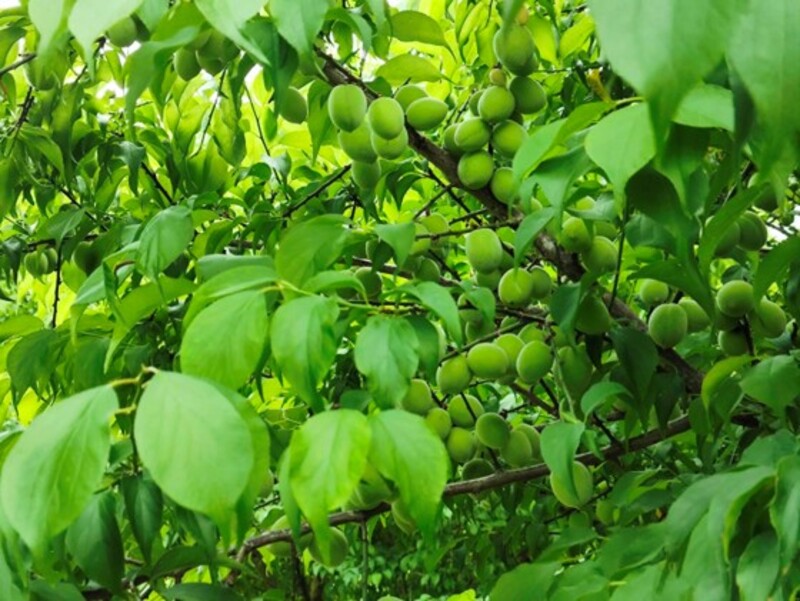
Picture 1: Green plums are one of Jiaxian’s three signature agricultural products and a crop which many local farmers depend on for their livelihoods.
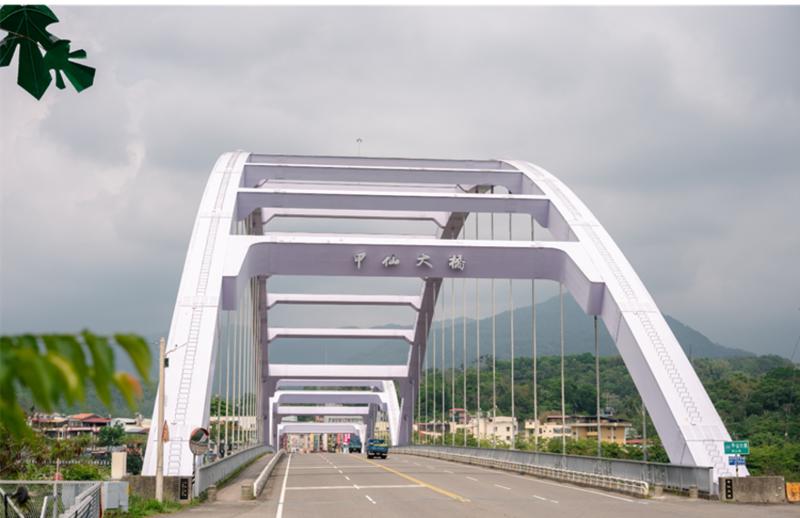
Picture 2: Jiaxian Bridge spans the Namasia River and serves as an important gateway to and from the Jiaxian area.
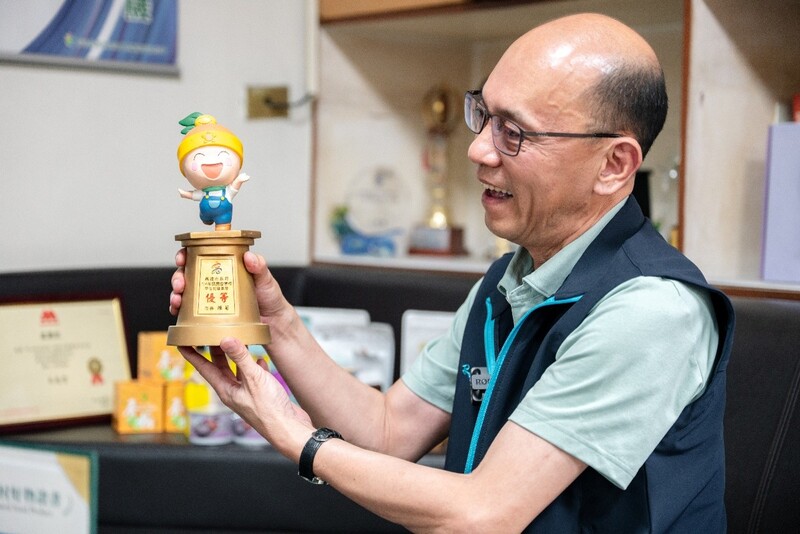
Picture 3: The Jiaxian District Farmers’ Association received the Outstanding Performance Award in the 2015 Farmers’ Association Evaluation conducted by the Kaohsiung City Government.
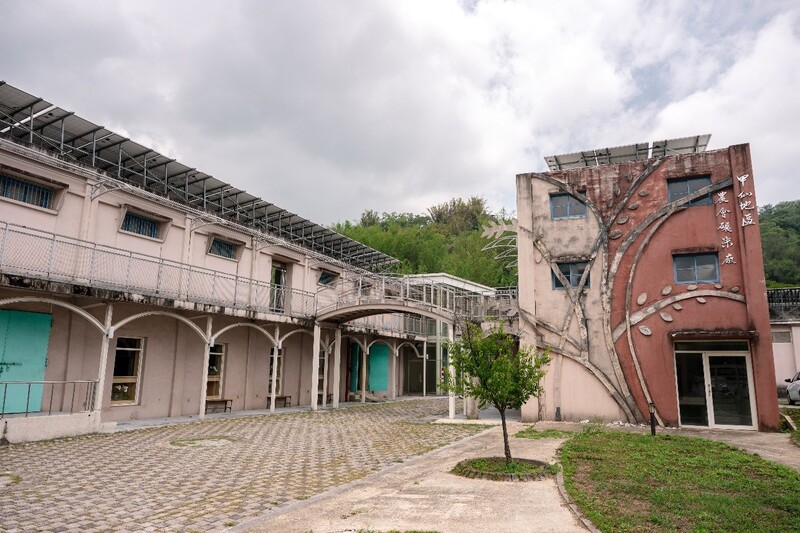
Picture 4: With support from the agricultural authorities, the Jiaxian District Farmers’ Association established a green plum processing plant in 2008.
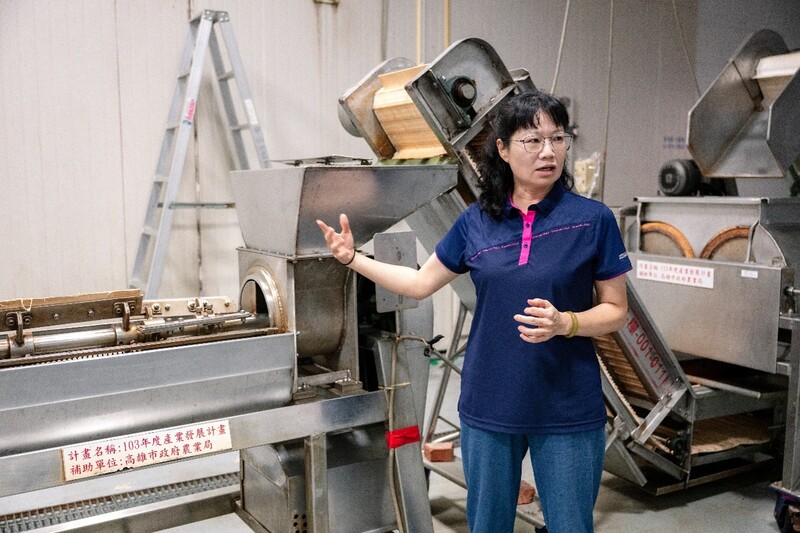
Picture 5: Plant Manager Liao provided a detailed introduction to the grading and processing procedures carried out with procured green plums during the harvest season.
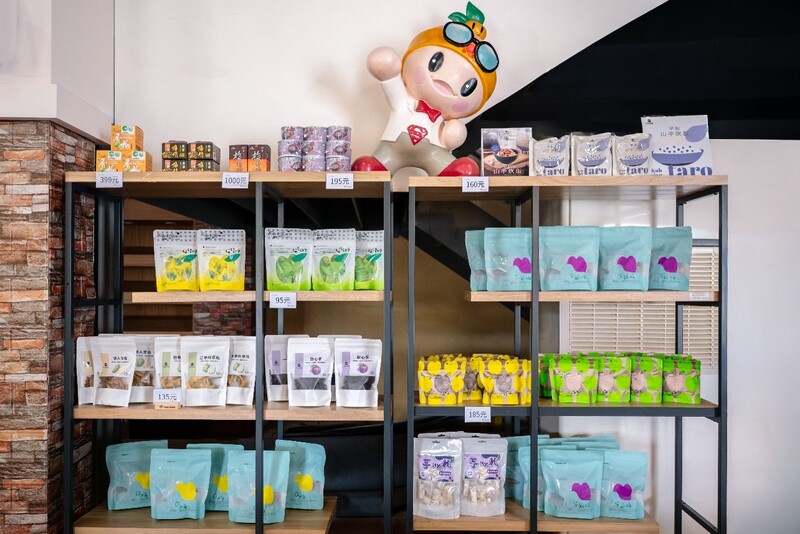
Picture 6: After years of dedicated effort, the Jiaxian District Farmers’ Association has gradually expanded its product portfolio.
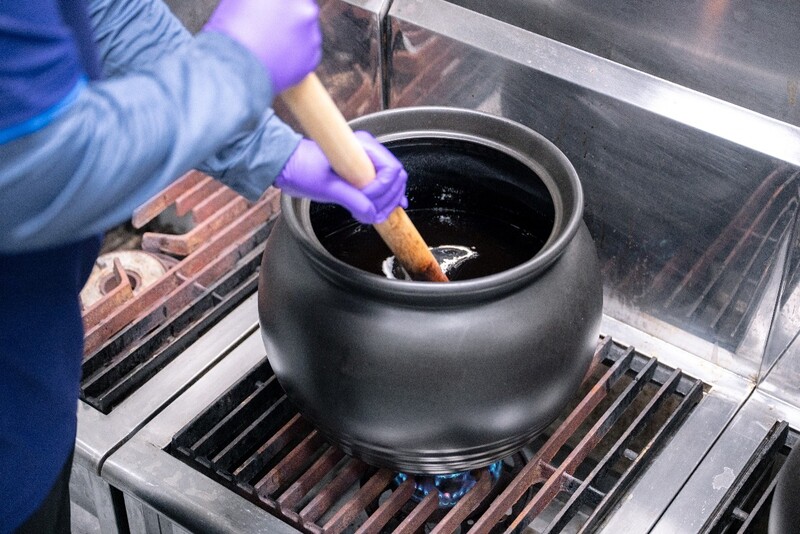
Picture 7: Plum extract must be slowly simmered in a specially designed ceramic pot for 72 hours. Only 20 grams of plum extract can be produced from 1 kilogram of green plums.
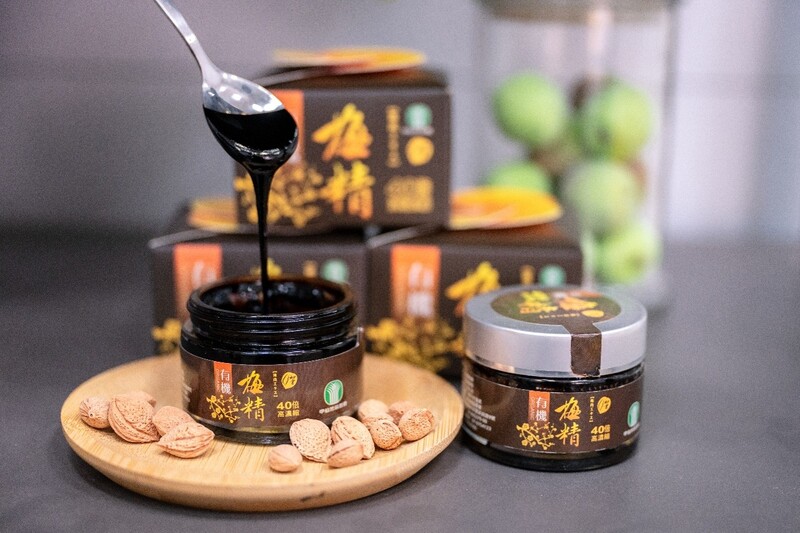
Picture 8: “Chuyun Organic Plum Extract” is one of the representative products of the Jiaxian District Farmers’ Association and regarded as a “black gold” health and wellbeing food.
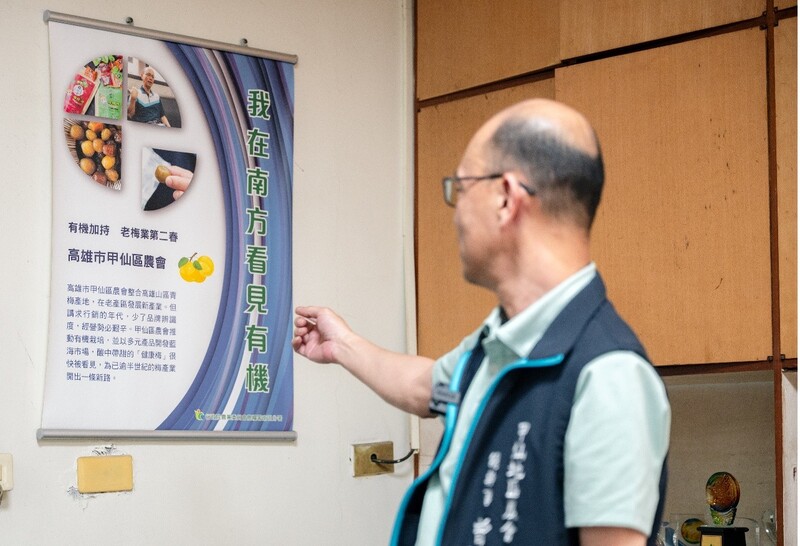
Picture 9: Secretary-General Tseng Hai-Hsing noted that through technical guidance, organic fertilizer subsidies, and a stable purchasing mechanism, the Farmers’ Association has gradually expanded the scale of organic cultivation.
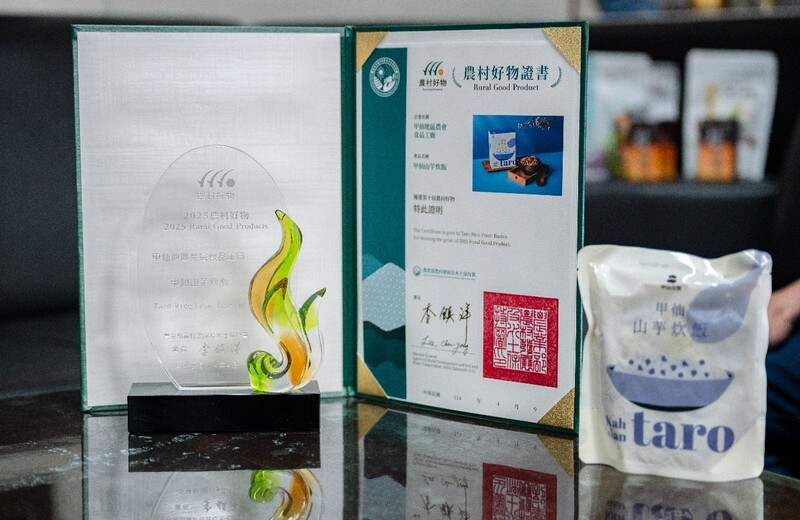
Picture 10: Jiaxian Taro Rice won the 2024 Rural Select Products Award and has also entered distribution channels including supermarkets and e-commerce platforms.
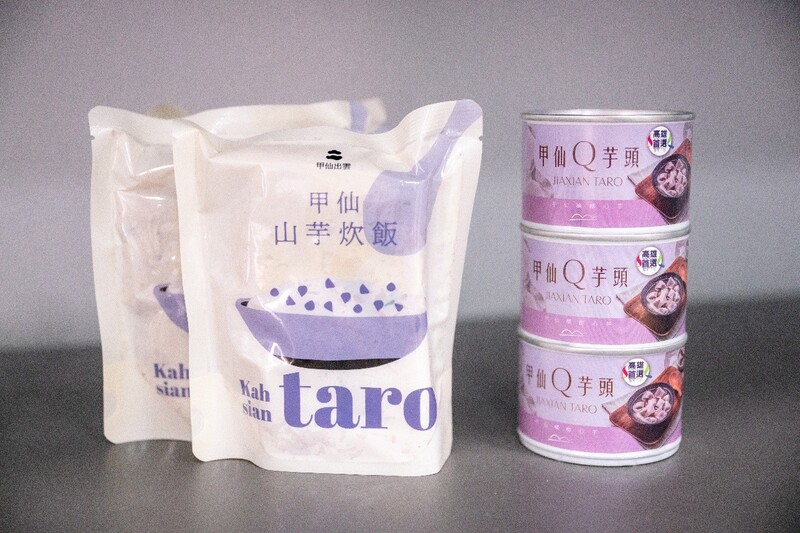
Picture 11: In addition to its ready-to-eat taro rice, the Farmers’ Association has also developed Jiaxian Canned Sweet Taro made from betel nut taro, suitable for ice desserts in summer or warm sweet soups for winter.
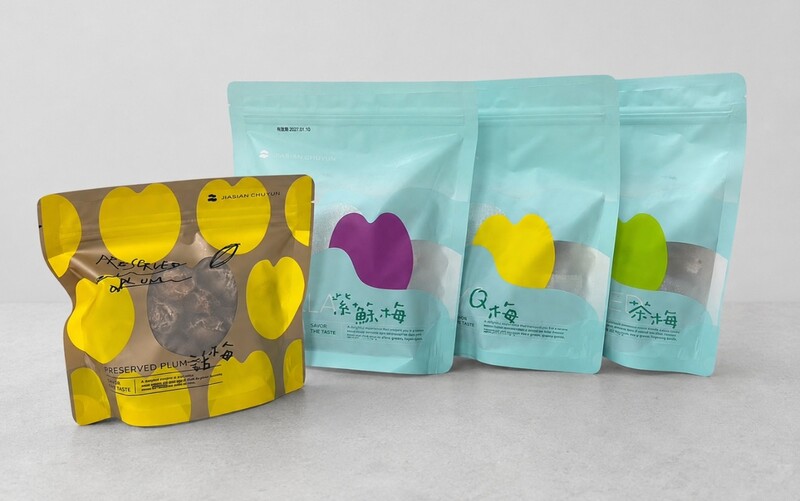
Picture 12: The Farmers’ Association launched its new brand “Jiaxian Chuyun” (甲仙出雲)—a Taiwanese homophone of “tshut-ūn” (出運) meaning “a turn for the better”, along with a range of processed plum products.
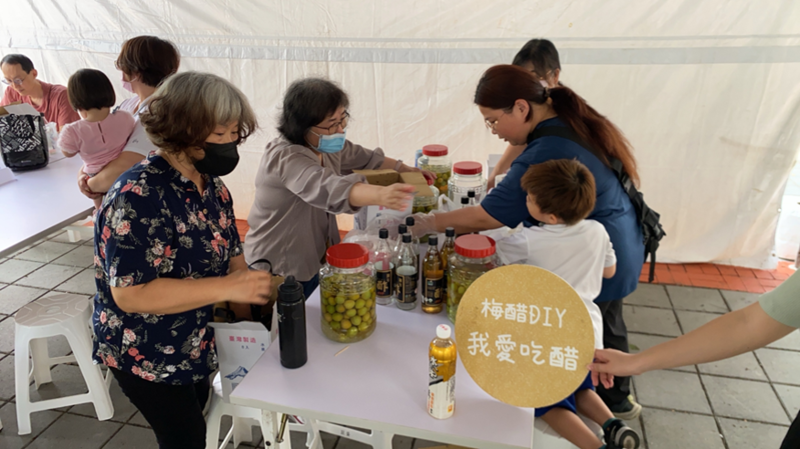
Picture 13: During the green plum harvest season, the Farmers’ Association organizes DIY plum vinegar workshops, which are consistently fully booked.
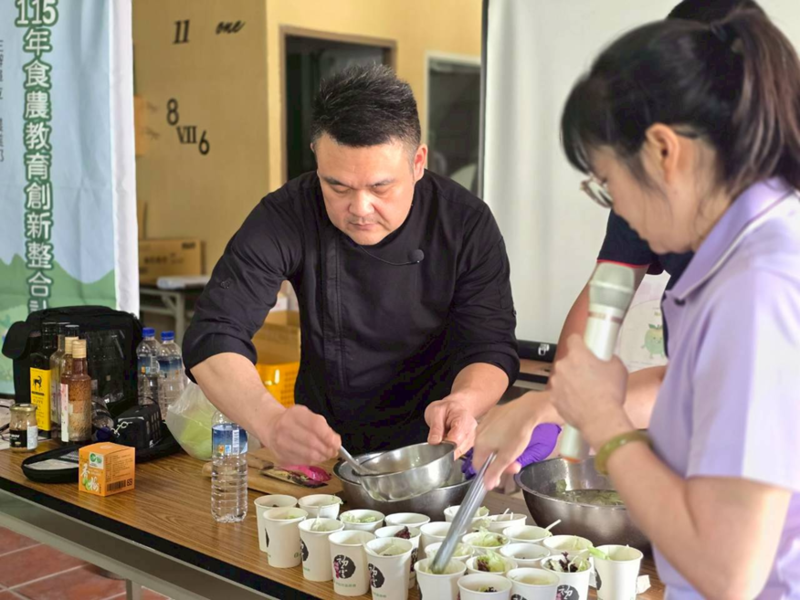
Picture 14: As part of its food and agricultural education program, the Farmers’ Association invited the head chef of the Xianxiang Restaurant in Jiaxian to demonstrate culinary techniques.
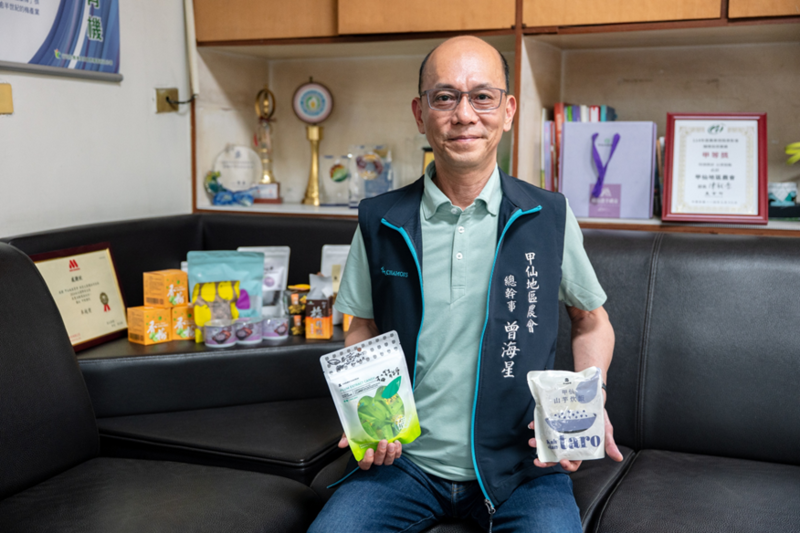
Picture 15: Secretary-General Tseng Hai-Hsing and the team at the Jiaxian District Farmers’ Association have been working together in concert to strengthen and enhance the association’s brand.