Huang Yi-Sheng Harnesses Technology to Present Sheng-Diao Aquatic Technology on a Global Market
By Kuo Yen-Feng | Photography by Lee Shuo
After days of summer downpours, we arrived at a Taiwan tilapia hatchery so remote that even Google Maps struggles to pinpoint its location. We were there to meet Huang Yi-Sheng, recipient of Taiwan’s 33rd National Top Ten Outstanding Farmers Award. Aquaculture has traditionally been regarded as an industry at the mercy of the weather and heavily reliant on manual labor. Yet, upon arriving at Sheng-Diao Aquatic Technology in Xinpi Township, Pingtung County, we were greeted by greenhouses, a solar-powered energy storage facility, and aquaculture ponds equipped with data analytics, microchip-based tracking, and automated systems.
“It has been raining in Pingtung for two straight weeks,” Huang said with a wry smile. When the rain finally let up that morning, we followed him into the farm. A second-generation owner with a background in meteorology, Huang shared how Sheng-Diao Aquatic Technology evolved from a traditional fish farm into a technology-driven hatchery.
From Leaving Home to Taking the Helm: A Cross-Disciplinary Perspective Drives Change
Huang remembers the childhood hardship of wading into the ponds before dawn to collect fry, as well as the embarrassment of being teased by fellow students because of his smell of fish. Determined to leave his hometown behind, he moved to Taipei to study meteorology. But after seeing years of physical labor take a toll on the spine of his father Huang Cheng-Hsien, he decided to return home and take over the family business.
“Meteorology is a science of data analysis and risk forecasting—the same logic that underpins aquaculture,” Huang explained. He brought that training to the ponds, using records and data to support day-to-day decisions. His wife, Yen Meng-Chia, a former TSMC engineer, also returned home and took charge of back-office operations. Seeing how impractical it was for workers to fill out paper records with wet hands, she introduced standardization and digital processes and developed a farm management system. During our visit, Huang pulled out a waterproof smartphone to show how staff can record water quality and broodstock conditions at any time.
Smarter Equipment Reduces Disruption and Raises the Survival Rate Above 80%
Huang’s father has a background in mechanics and is always willing to try new ideas. The two often discuss and test solutions to problems they encounter on the farm. One day, a rope securing a paddlewheel aerator snapped, causing the machine to travel across the pond. That accident sparked an idea: why not make the aerator mobile so it could oxygenate a wider area? The incident became the starting point for their mobile aeration system.
Fry harvesting has also been redesigned. Workers once had to enter the ponds and pull nets by hand—an exhausting process that could damage nests built by the fish. Mechanical harvesting along the pond edge now minimizes disturbance to the broodstock. Huang said that successive equipment upgrades have lifted the survival rate to more than 80%. The farm’s monitoring system also tracks water temperature, dissolved oxygen, and water levels, sending real-time alerts when conditions become abnormal so staff can respond early.
YY Broodstock and Microchip Tracking: Building Better Fry from the Source
Fish farmers generally prefer males because they produce more marketable flesh and gain weight faster. Female tilapia carry their eggs in their mouths while incubating them and stop feeding during that period; if they reproduce in grow-out ponds, the fry also consume feed. To reduce the need for hormone treatment in commercial fry, Sheng-Diao Aquatic Technology spent more than three years developing YY “supermale” broodstock to pair with conventional females. Huang said the resulting fry populations are now more than 95% male.
Tilapia look so similar that their family lines cannot be distinguished by sight alone. The team therefore implants microchips in selected broodstock and combines fin-clip sampling with genetic analysis to document lineage and avoid inbreeding. To suit the water temperatures and farming conditions of different countries, Sheng-Diao Aquatic Technology selects heat-tolerant or faster-growing lines, supplies customers with several batches for trial production, and fine-tunes its selections based on their feedback.
Reinventing the Brand and Taking Aquaculture Expertise Overseas
Beyond fry breeding, Sheng-Diao Aquatic Technology created the “Da Diao Ge” brand, turning large broodfish that have reached the end of their breeding cycle into premium fillets for gifting and for showcasing product quality. While strengthening its position in Taiwan, Huang has also looked overseas in response to limited domestic farming space and an aging aquaculture workforce. His goal is not only to export broodstock, but also to bring mechanized equipment and operating know-how to overseas markets.
For distant countries and markets with strong potential, Sheng-Diao Aquatic Technology has developed a turnkey farm-export model. In a project in Myanmar, for example, the team traveled to the site to build aquaculture facilities and provide both in-person and remote operational training. Huang advises companies considering aquaculture ventures in Southeast Asia or other emerging markets to first conduct thorough local market research and assess the cost structure, including costs of feeds, water temperatures, and sales channels.
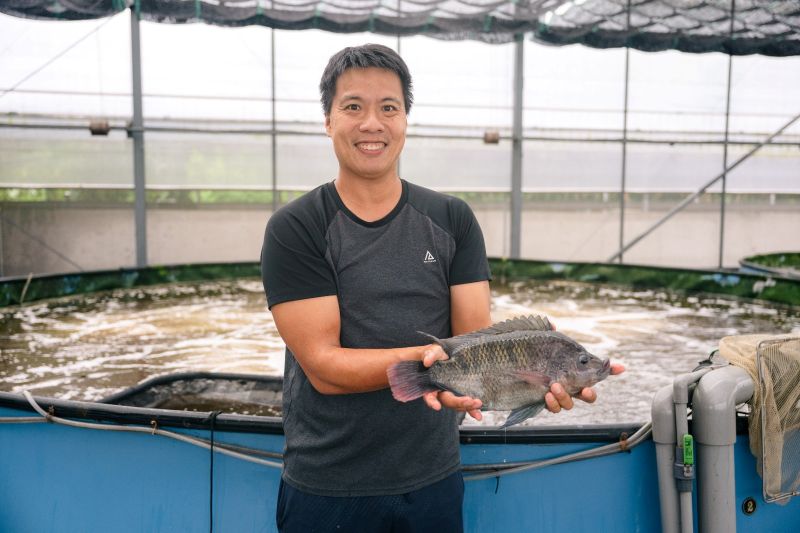
Figure 1. Producing a high-quality Taiwan tilapia fry is not a matter of luck; it is the result of Huang Yi-Sheng’s breeding expertise and unwavering commitment to innovation.
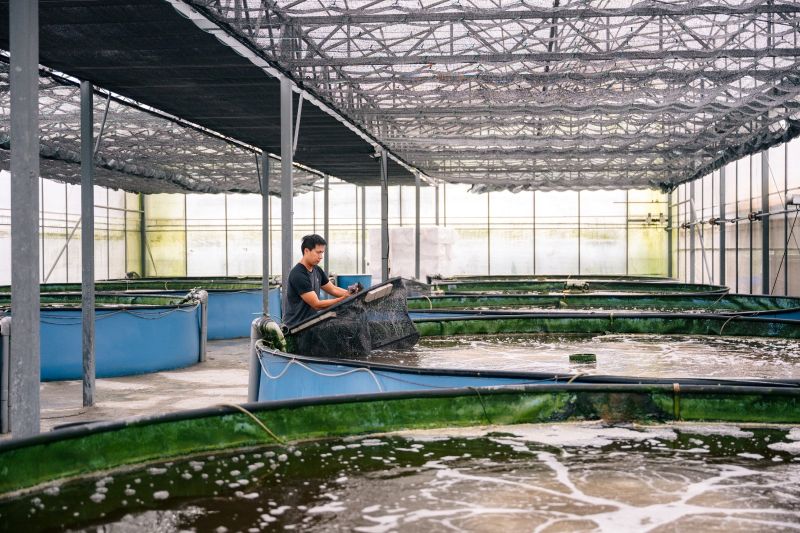
Figure 2. Huang Yi-Sheng and his team have devoted years to fry breeding and smart aquaculture, enabling precise control of the farming environment.
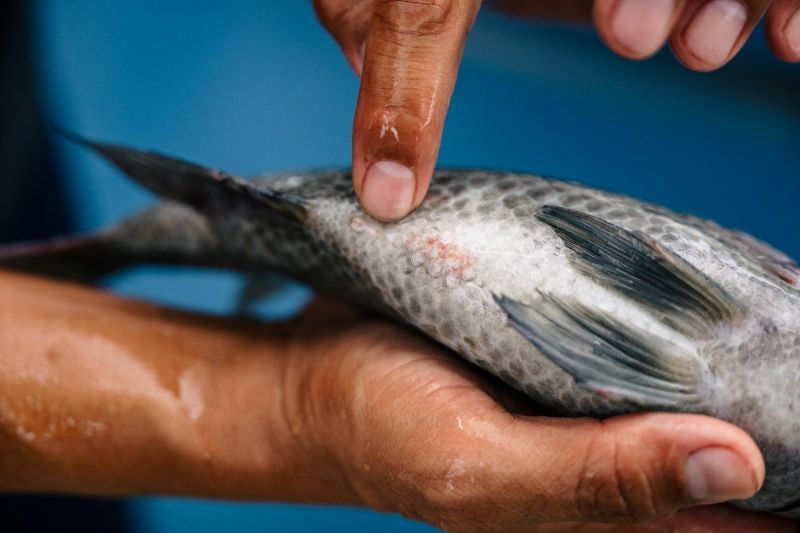
Figure 3. More than 95% of the fry are male, without the use of masculinizing hormones.
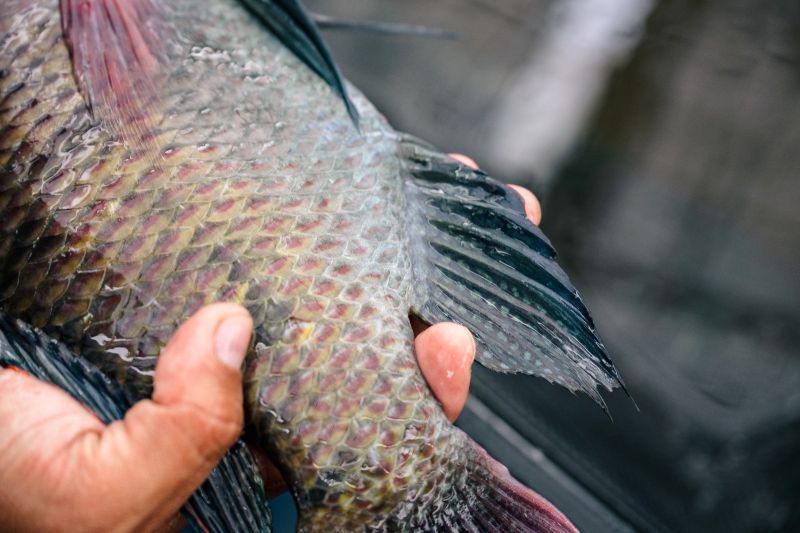
Figure 4. Tilapia look so similar that their family lines cannot be distinguished by sight alone. The team therefore implants microchips in selected broodstock and combines fin-clip sampling with genetic analysis.
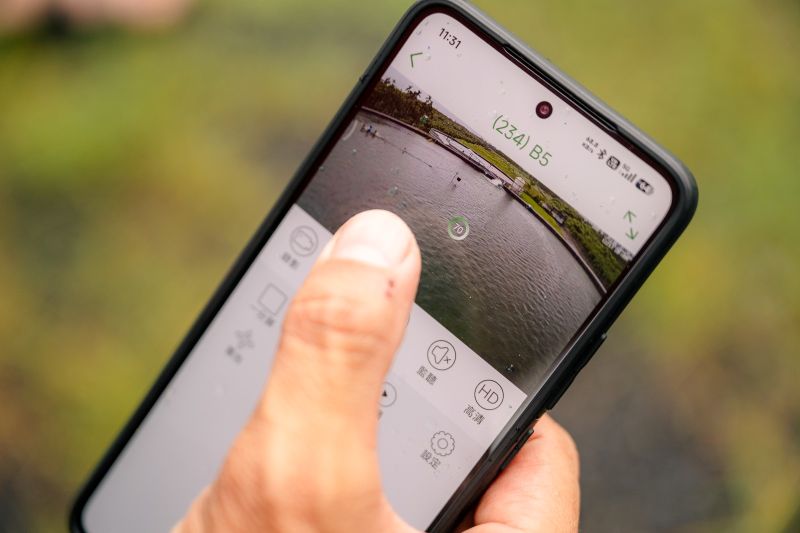
Figure 5. Sheng-Diao Aquatic Technology’s smart monitoring system connects every on-site sensor to a cloud platform, giving users real-time pond data through a smartphone or web browser.
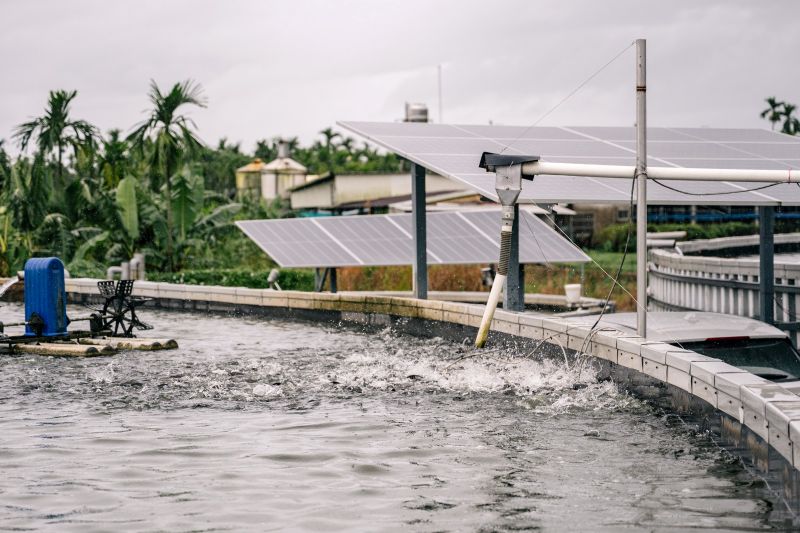
Figure 6. The mobile aerator linkage developed by Huang Yi-Sheng and his father has been submitted for invention patents in multiple countries. It saves energy, reduces carbon emissions, and lowers farming costs.
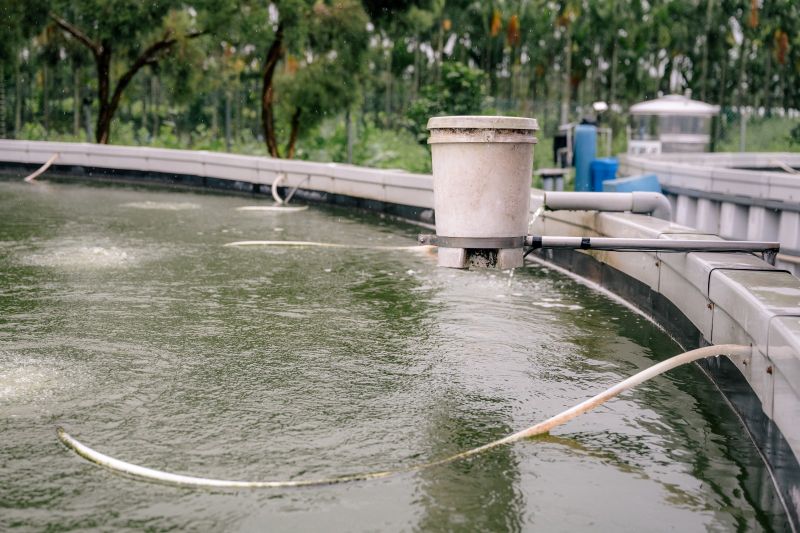
Figure 7. The company’s in-house automated feeding control system replaces labor-intensive manual feeding, reducing feed waste and personnel costs.
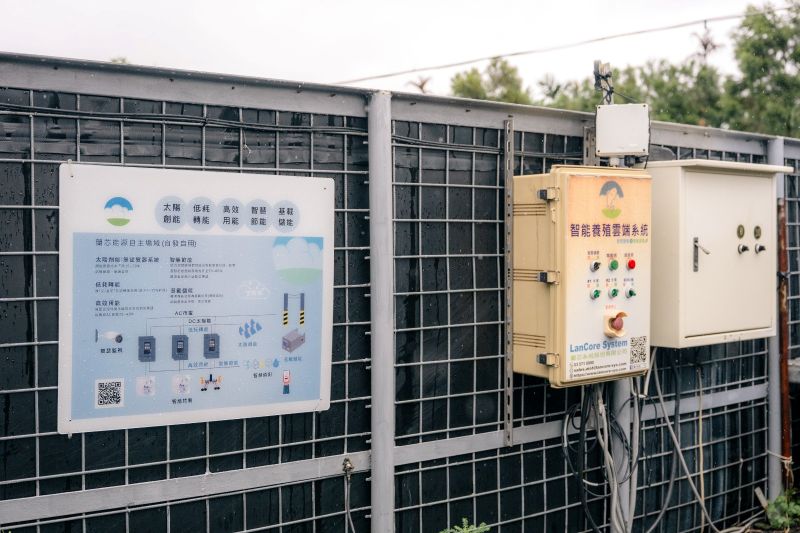
Figure 8. Huang Yi-Sheng is actively developing smart aquaculture equipment and bringing Agriculture 4.0 concepts into the industry.
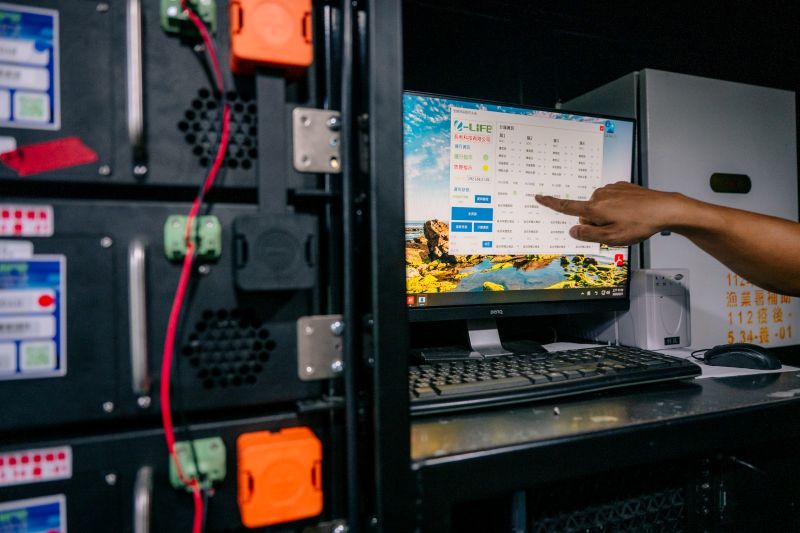
Figure 9. Sheng-Diao Aquatic Technology has installed solar panels above its aquaculture facilities. Together with an energy storage system, they allow the farm to operate almost entirely on self-generated green electricity when sunlight is abundant.
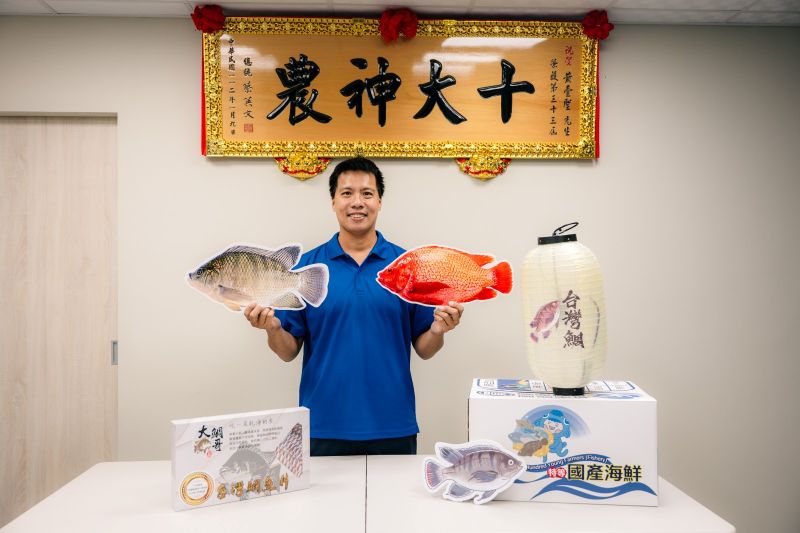
Figure 10. Huang Yi-Sheng received Taiwan’s 33rd National Top Ten Outstanding Farmers Award for technology-driven fry breeding and innovative automated aquaculture, and founded the “Da Diao Ge” brand.
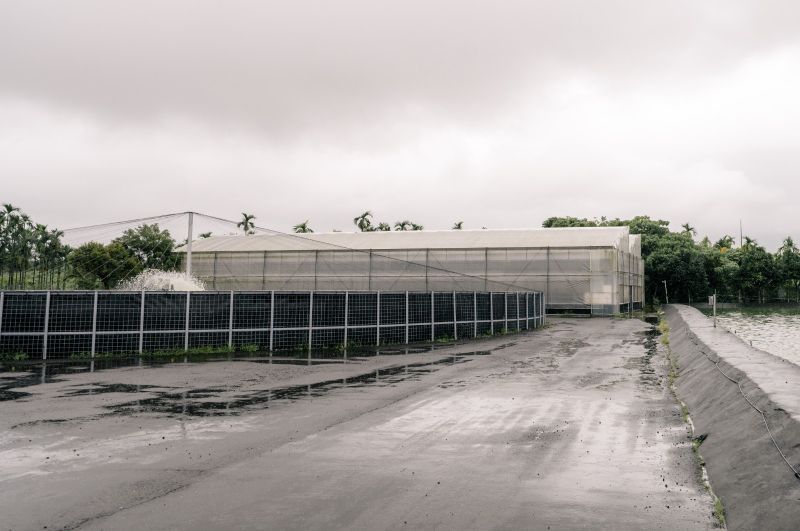
Figure 11. Sheng-Diao Aquatic Technology exports not only broodstock, but also mechanized facilities and operating methods through its turnkey farm-export model.