News

Emirates Flight Catering Opens World’s Largest Vertical Farm in Dubai
Bustanica has unveiled its 330,000sqft environmentally controlled farm facility, with an investment of US$40mln
M&S bins off best before dates for fruit and vegetables in bid to cut food waste
Marks & Spencer (M&S) is set to remove best before dates from more than 300 of its fresh fruit and vegetable lines, in a move it believes will reduce food waste in customers’ homes.
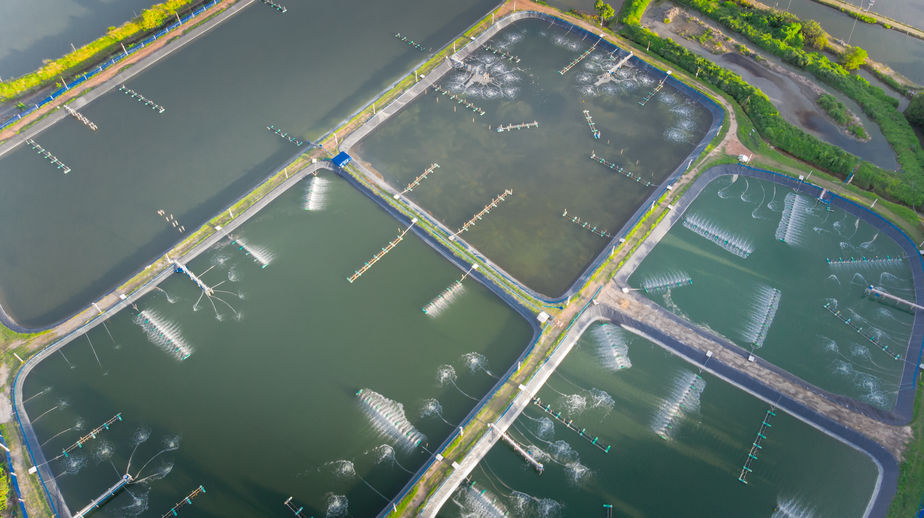
The importance of sustainable aquaculture innovation for building a future-fit food system
As the demand for seafood foods rises, the need for sustainable practices becomes ever-more pressing. In the first of a new series, EIT Food’s CEO Dr Andy Zynga, emphases the urgent call for sustainable aquaculture – and what exactly that entails.

Israel to create a national climate change calculator
The new center will be operated by the Meteorological Service of the Transportation Ministry under the direction of a steering chief scientists in the government.

Ten food innovations to reduce the carbon impact of our diets
Ten food innovations to reduce the carbon impact of our diets
McDonald’s launches campaign to increase diversity within the farming industry
McDonald’s launches campaign to increase diversity within the farming industry

EU urged to be at forefront of cultivated meat research and innovation
Europe is at risk of falling behind in the race to commercialise cultivated meat, heard the first ever European Parliament debate about cultivated meat, held on Wednesday 13 July.
African Union urges farmers to boost food production
The African Union has called on farmers in Africa to boost agricultural production amid a worsening drought in the Horn of Africa, rising food insecurity and supply chain disruptions.
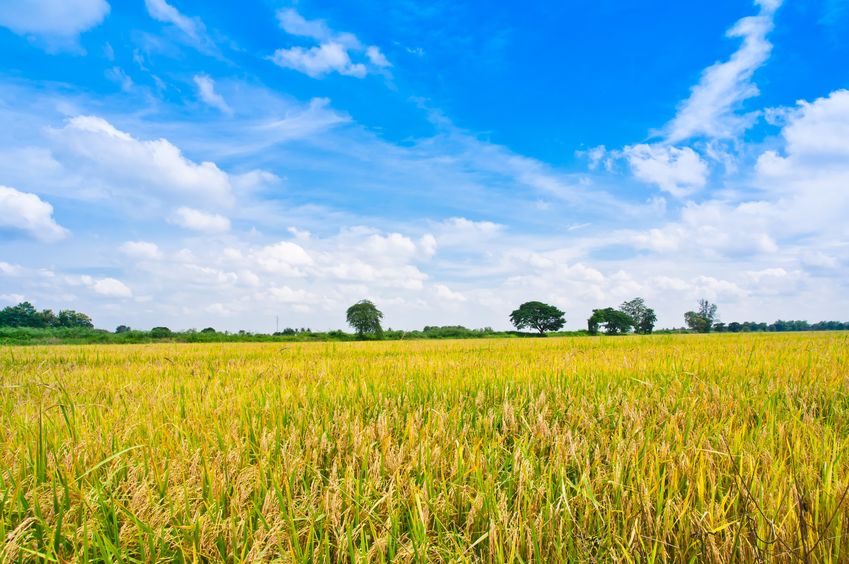
Can we grow climate change-resistant crops?
The production of key crops like cereals can be hit hard by heatwaves and droughts. In this edition of Climate Now, we are asking if scientists can uncover the secrets of the most resistant plants to 'climate-proof' our food.

World bank approves $200m to support agriculture sector in punjab
The World Bank’s Board of Executive Directors Saturday approved $200 million in financing to support Pakistan in transforming the agricultural sector by adopting climate-smart technologies to improve water-use efficiency.